from Oishi! Holistic! podcast
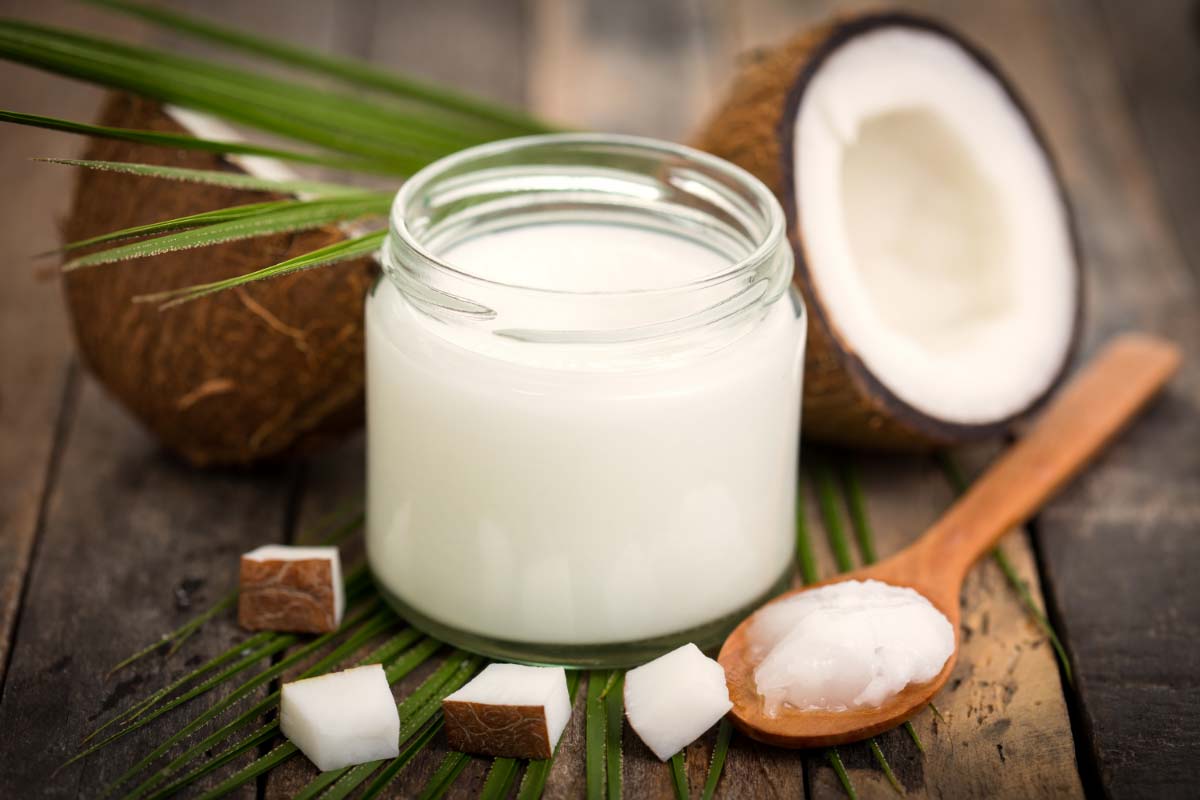
What stands out the most in my house is products made of coconut. Coconut oil, coconut skin cream, coconut-based shampoo, coconut amino, coconut milk…
Particularly the Coconut oil is amazing, and I think it is the healthiest oil of all. It can be eaten and applied to the body, it has numerous benefits. I will introduce the details here.
Little Science of Coconut Oil:
Molecular Composition of Coconut Oil: Medium-chain fatty acids with 8-12 carbon atoms are neutral fats, but their metabolic pathways are significantly different from long-chain fatty acids. It is said that medium-chain fatty acids have advantages. When they are transported to the intestine, they are directly absorbed through the intestinal wall, completely absorbed in the liver through the portal vein, and converted into energy. Therefore, they are less likely to accumulate in the body and are quickly converted into energy. On the other hand, long-chain fatty acids (such as those with 16-18 carbon atoms found in milk) have longer metabolic pathways and take more time to be converted into energy, and they are more prone to accumulate as fat in the body.
All medium-chain fatty acids have excellent antibacterial effects and are remedies for colds and influenza. They also have high anti-inflammatory and antioxidant effects, enhance immune function, and have effects in preventing and treating herpes, candida, and other conditions.
Caprylic Acid (about 7% of coconut oil, a medium-chain fatty acid)
Among the medium-chain fatty acids found in coconuts, caprylic acid has the fastest metabolic rate and produces ketones the fastest, making it easily converted into energy and promoting fat burning. It is also found in human breast milk.
Capric Acid (about 7% of coconut oil, a medium-chain fatty acid)
Compared to caprylic acid, capric acid takes more time to become energy, but like other medium-chain fatty acids, it has antibacterial, anti-inflammatory, and antioxidant effects.
Lauric Acid (50% of coconut oil)
However, lauric acid, which has 12 carbon atoms, is not strictly a medium-chain fatty acid and takes time to be converted into ketones since it is not metabolized directly in the liver. It has strong antibacterial properties and has been used for the treatment of influenza, colds, candida, and other viral infections. It is also used as a prescription to prevent HIV transmission from mother to baby.
Different Manufacturing Methods:
Virgin Coconut Oil
Virgin coconut oil retains the most natural form and provides the most health benefits. It is extracted by pressing the dried coconut kernel (meat).
The pressing methods include centrifugation, fermentation separation, and cold pressing. The difference in these methods results in variations in the antioxidant properties. Fermentation separation was thought to reduce the nutritional value due to the application of heat, similar to other fruits. However, a research report from Malaysia in 2008 showed that the fermentation separation method had the highest antioxidant activity.
Refined Coconut Oil
Refined coconut oil refers to the oil that has undergone processes such as bleaching and deodorization. Unlike virgin coconut oil, it has reduced the distinctive aroma and taste of coconut. Most refined coconut oils are processed at high temperatures or with strong chemicals, which may compromise the antioxidant properties present in coconut.
Medical Benefits
Natural remedy for dementia and Alzheimer’s. Improves memory and brain function.
Medium-chain fatty acids are directly converted into ketones in the liver and easily reach the brain as an energy source. Ketones are converted into energy without waiting for the action of insulin. The human brain can produce insulin itself and convert glucose into energy for brain cells. However, Alzheimer’s patients lose the ability to produce insulin in their brains, and ketones help improve the brain cells of Alzheimer’s patients.
Reduces inflammation and alleviates rheumatism.
Research in India has reported that the highly antioxidant properties present in virgin coconut oil can reduce inflammation and alleviate various symptoms of rheumatism more effectively than current prescription drugs.
Cancer prevention
Coconut oil has two aspects that show effectiveness against cancer. One is its ability to produce ketones easily. Cancer cells cannot obtain energy from ketones and rely on glucose for energy. This is why the ketogenic diet has been suggested to have an effect on cancer in recent studies.
The second aspect is the presence of medium-chain fatty acids in coconut oil. Medium-chain fatty acids can digest bacterial cell membranes and kill bacteria in the stomach (such as Helicobacter pylori), reducing the risk of stomach cancer.
Increased energy
Coconut oil is relatively easy to digest, promotes metabolism, and produces sustained high-energy levels. High-quality, unprocessed coconut oil delivers its medium-chain fatty acids directly to the liver, where they are converted into energy, resulting in the most significant effect. Recently, many triathlon athletes have been consuming coconut oil as fuel for long-distance races.
Effect on skin problems (burns, eczema, acne, dandruff, dermatitis, etc.)
Coconut oil is used for cleansing, moisturizing, and even as a sunscreen, but it is also known to be effective for various skin issues. The anti-inflammatory and antibacterial properties of the medium-chain fatty acids in coconut oil, especially caprylic acid and lauric acid, are effective for all kinds of skin problems. It is possible to make homemade lip balms, lotions, coconut oil baths, and more.
Inhibition of dental and gum degeneration. Anticaries and anti-inflammatory effects. Oil pulling
Oil pulling with coconut oil is a traditional method practiced in India for preventing periodontal disease. The high antibacterial properties in oil pulling contribute to its effectiveness.
Oil pulling removes heavy metals present in saliva.
Oil pulling activates enzymes that eliminate environmental toxins present in saliva and prevents their entry into the body.
Based on this, it is believed to be effective not only for oral health but also for overall health.
I personally put coconut oil on my hair after shower. My indian friend told me it is very common in India based on Ayurveda.
 LIVE YOUR BEST