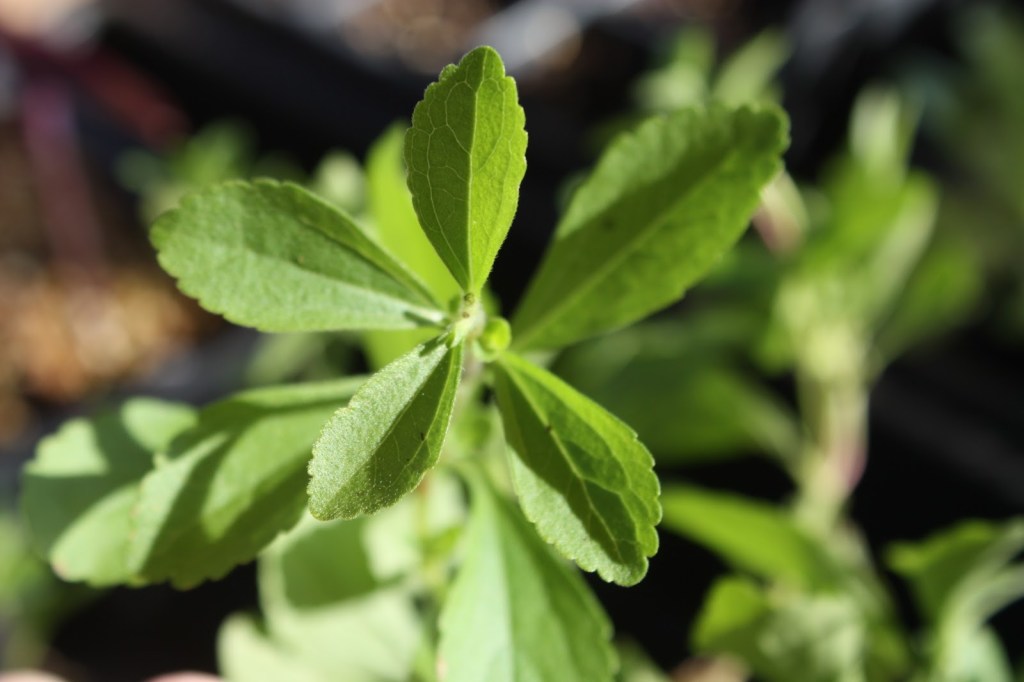
Stevia and Monk Fruit have gained significant popularity as natural sweeteners among individuals seeking to reduce their sugar intake. However, researchers and medical professionals I have come across suggest that insulin resistance plays a major role in conditions such as obesity and diabetes. Therefore, it is advised to avoid substances that stimulate the secretion of insulin in our bodies, even if they do not significantly elevate glucose levels. From my perspective, all forms of sugar should be treated equally in terms of their potential impact on health. Sugar is sugar, is sugar!
The quality of Stevia largely depends on how it is processed, and I agree that powdered forms of Stevia can be highly processed and may even contain artificial sweeteners like GMO cornstarch-based Erythritol and dextrose. Therefore, it is important to choose a 100% natural Stevia sweetener. One option is to use Stevia leaf in its natural form, while another is to obtain a tincture from natural food stores or even make your own tincture from Stevia leaves (which I can provide instructions for at a later time if you’re interested, as it is relatively easy). The latter form of natural Stevia is believed to have medicinal effects on conditions such as hypertension, high blood pressure, and surprisingly, there is research suggesting its effectiveness against Lyme disease.
In my personal experiment, while following a Keto diet and measuring my ketosis for about two weeks, I found that all the natural sweeteners I mentioned caused an almost instant disruption of ketosis after consumption. Some experts have suggested that Stevia can stimulate insulin secretion, so it may be wise to use these sweeteners with caution if you have diabetes or are overweight.
Another concern I have is that when a food or ingredient suddenly becomes popular in a large consuming country like the United States, the demand often surpasses the supply, leading to a potential decrease in quality as quantity is prioritized. Additionally, this increased demand can have negative impacts on farmers, potentially compromising their farming methods. It is worth noting that Monk Fruit, for example, is only grown in Gui-Lin, China, while true cinnamon is only grown in Sri Lanka, and elsewhere it is often a substitute referred to as “fake” cinnamon but is treated as real in the US and other countries.
 LIVE YOUR BEST