
If you want to enhance your daily sleep quality, I recommend revisiting your bedroom’s sleep environment.
There’s a good chance you may not have noticed how your sleep surroundings can significantly impact the quality of your rest. In this episode, I’ll delve into two crucial aspects: light and sound.
Light
Our bodies rely on circadian rhythms to gauge the ideal sleep times, as we’ve discussed in a previous episode regarding their role in regulating hormone secretion and essential chemicals needed for sleep. Light plays a pivotal role in these circadian rhythms. Despite it being only about two centuries since we introduced artificial light sources like light bulbs and fluorescent lamps, this artificial illumination can profoundly disrupt our sleep, underscoring its importance for a restful slumber.
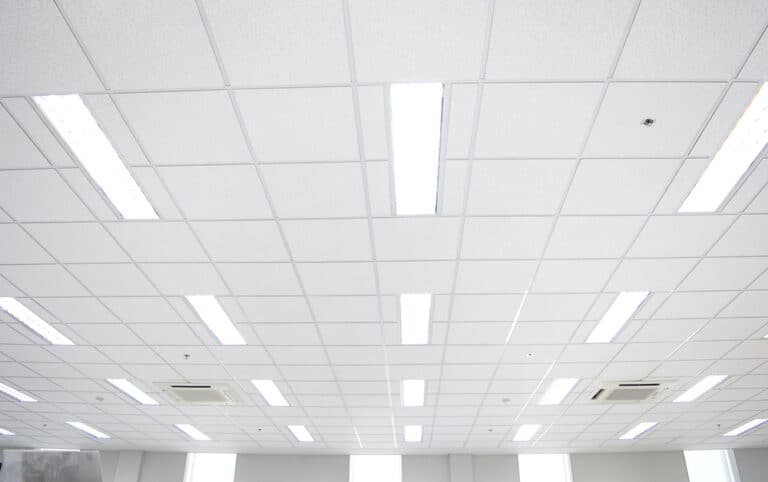
Notably, the light emitted by fluorescent lamps is rich in blue light, which our retinas interpret as daylight. For instance, visiting overly brightly lit places at night can deceive your brain into thinking it’s daytime. Therefore, it’s advisable to use lighting at home with minimal blue light, such as incandescent bulbs, especially during the evening.
You can find sunglasses labeled as “blue blockers. (picture above)” I also own a pair of these, and simply wearing them at night helps me relax and feel drowsy. I highly recommend them to those who can access them.
Moreover, computers and mobile screens emit a substantial amount of blue light. Recently, systems have been equipped with features that apply a red filter to the screen to reduce blue light, so activating this function is advisable.
In general, expose yourself to sunlight during the day, dim the lights as much as possible at night, opt for lighting rich in red hues, like incandescent bulbs, and avoid using the computer for two hours before bedtime to allow your body to naturally prepare for sleep.
Sound
While it’s not entirely proven how this directly applies to humans, mice are known to be more susceptible to noise-related trauma during the night compared to the day. Similarly, for humans, nighttime noise has been found to boost the production of stimulating hormones like adrenaline and cortisol.
Noise during sleep can disrupt all stages of slumber, both consciously and subconsciously, resulting in fragmented sleep. If this persists over an extended period, it may potentially lead to various ailments such as diabetes, heart attacks, and cancer. Therefore, creating an appropriate sound environment in the bedroom is crucial, especially for those sensitive to noise.
Conversely, natural sounds and ambient noises like white, brown, and pink noise have been shown to enhance the quality of stage 1 sleep and are considered beneficial for falling asleep.
If you’re bothered by noises from neighboring houses or apartment residents, it’s essential to collaborate and help each other achieve restful sleep. If noise remains a significant issue, consider using earplugs, and although it’s not my top recommendation, using earphones with noise-canceling features might also be an option.
In this episode, I’ve discussed what I believe to be the most critical factors in creating the optimal sleep environment: “light” and “sound.”
Modern society’s conveniences have had some adverse effects on the human body. I hope that, at the very least, checking these two aspects will make your sleep more comfortable.
Next time, I’ll touch upon bedding.
Sweet dreams!
 LIVE YOUR BEST