Food and Nutritions
I’d like to introduce a couple of foods and nutritions that can help naturally alleviate lower back pain. These primarily contain nutrients that support bones, joints, and cartilage. I won’t include things that are so common sense, such as calcium-based foods like small fish, milk, seaweed, and others here (by the way, I don’t recommend milk in general).

Bone Broth
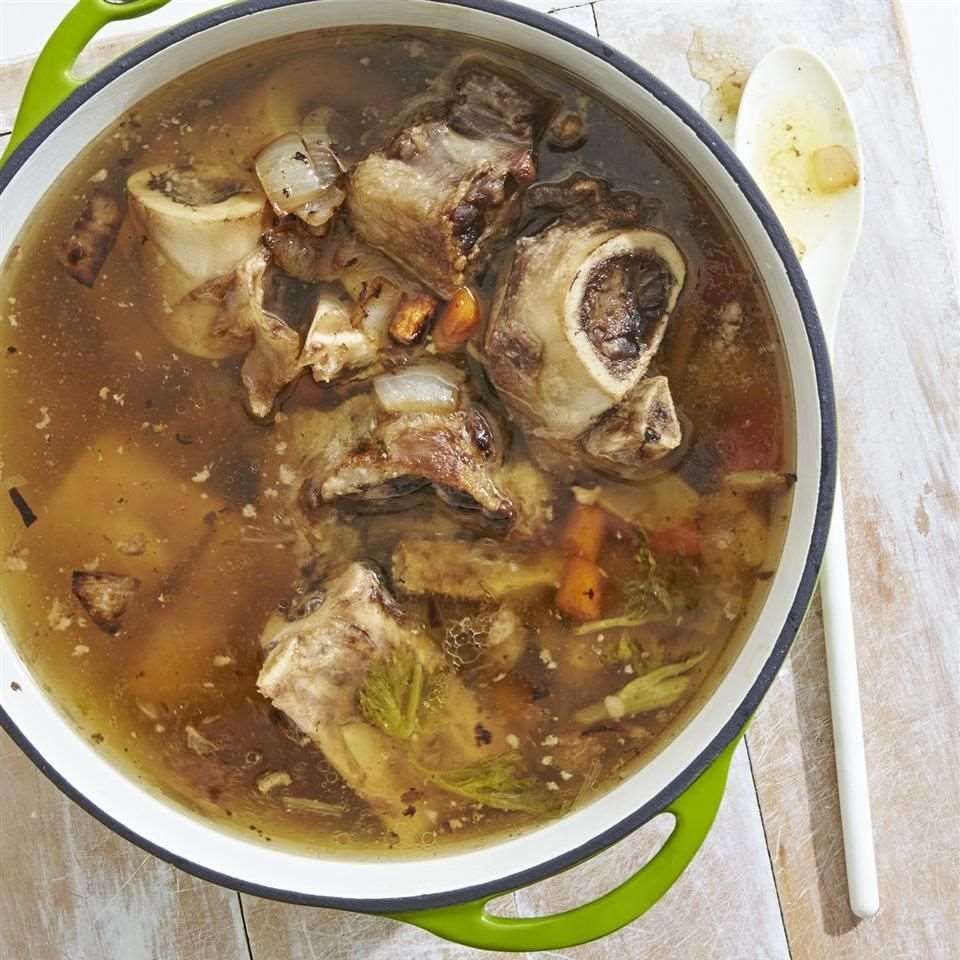
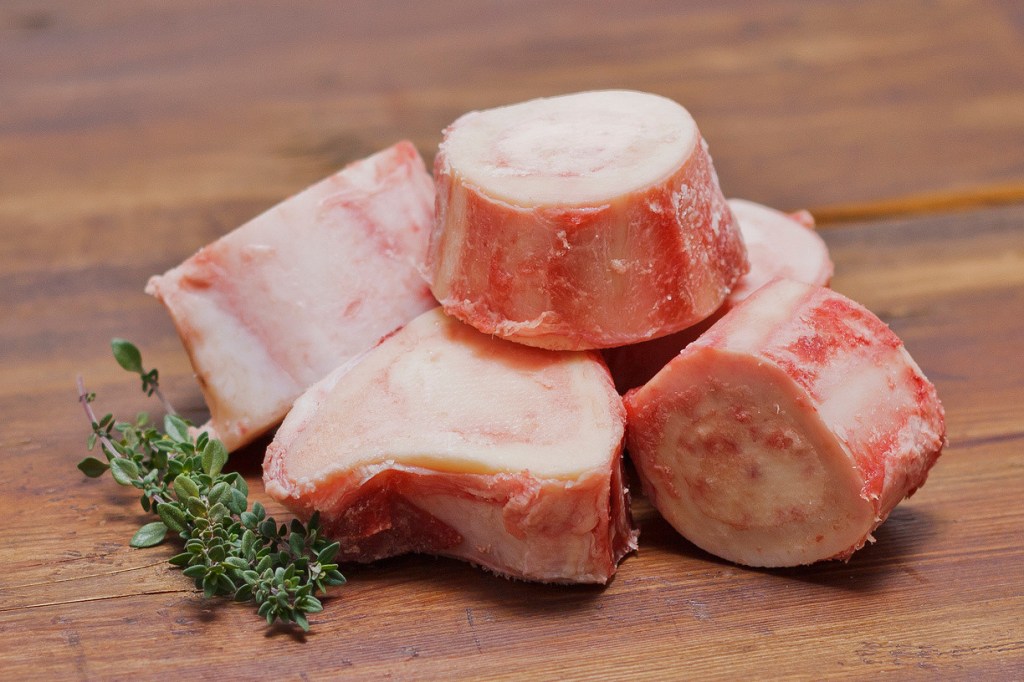
When it comes to the most effective food for conditions related to bones and joints, it’s undoubtedly “bone broth.” Bone broth is a soup made by simmering bone-in meat and vegetables for an extended period. Bone broth contains over 19 types of amino acids, collagen, gelatin, glucosamine, chondroitin, electrolytes, and other nutrients that bones and joint cartilage require in a form that is easily absorbed by the body. It not only supports bone formation but also strengthens the immune system and promotes the growth of beneficial gut bacteria.
However, when making bone broth, it’s essential to pay attention to the quality of the ingredients. If you use meat and vegetables contaminated with antibiotics, pesticides, grains, hormones, or similar substances, your bone broth efforts will be counterproductive. Whenever possible, use high-quality meat and vegetables that are grass-fed and organic or close to organic quality.
Bone broth can be made using chicken, beef, pork, or even fish gills, but personally, I have found that broth made from beef bones gives me the most energy and vitality.
Collagen
In a nutshell, collagen is the body’s “adhesive.” Collagen is one of the important proteins that bind bones and the body’s tissues. Collagen is naturally produced in the human body but decreases with age. Therefore, supporting the production of collagen is essential for healing lower back pain, hernias, and similar conditions.
Examples of foods that support the production of collagen in the body:
- Oranges, strawberries, bell peppers, broccoli (foods rich in vitamin C)
- Fish, cabbage, meat (foods rich in proline)
- Lean meat, granola (foods rich in glycine)
- Oysters, nuts, lean meat (foods rich in zinc)
Additionally, collagen powder as a supplement did not have as much effect as I expected based on my personal experience. The reason might be that collagen itself is not directly absorbed by the body, but rather the various amino acids and nutrients mentioned earlier are needed. Increasing my meat intake for hernia seemed to have a more significant effect.
Turmeric
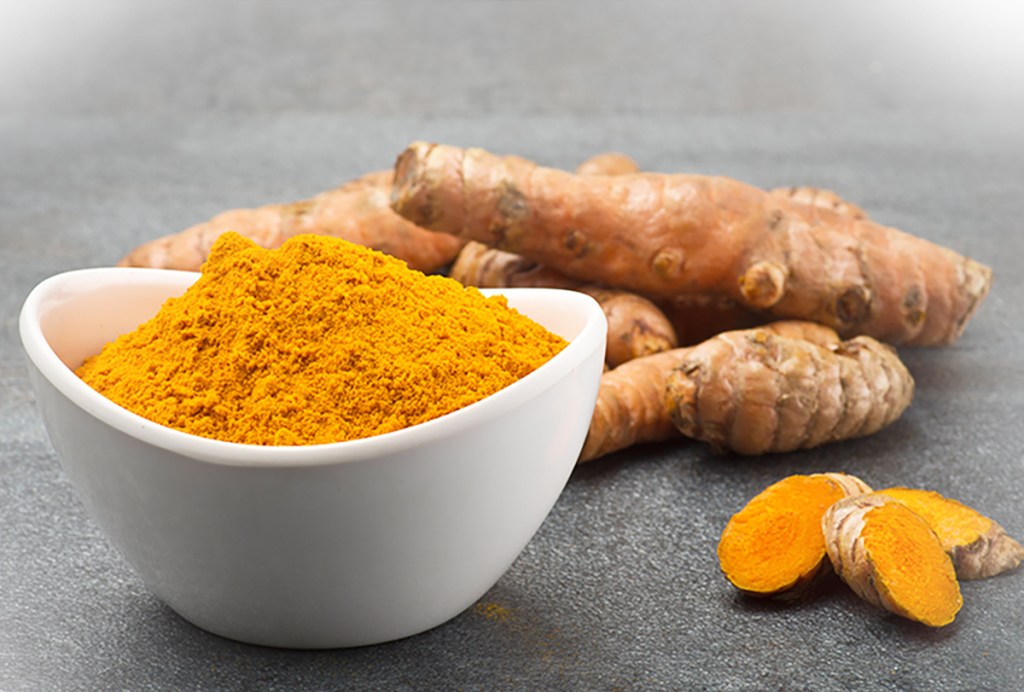
Turmeric (curcumin) is not as well-known in Japan, but in the American health industry, it is widely recognized for its benefits to the body. This is due to its anti-inflammatory and analgesic properties. Turmeric is effective not only in reducing lower back pain, primarily caused by inflammation, but also in improving blood circulation and helping to control obesity, as shown in research. Therefore, it may be good to consume it regularly for overall health maintenance.
Turmeric powder is available as a supplement, and in the United States, you can also get fresh turmeric at stores like Whole Foods. I personally consumed it in my morning smoothie using traditional Indian methods along with ginger or as golden milk.
In addition to these three, I believe that vitamin D is indispensable. Vitamin A helps with calcium absorption, and a 2015 study revealed that a deficiency in vitamin C can induce bone injuries, injuries, and, in extreme cases, osteoporosis. Therefore, I recommend paying attention to the intake of vitamins A, C, and D.”
I share valuable health information that I gathered during my Health Coach programs, Shiatsu, Daoism, Eastern medicine and other health and life exploration. Most of them are not just a paper knowledge, these are based on my own experiences and experiments. Please subscribe for the future postings.
Please be aware this blog is set to Japanese language, your confirmation mail may be in Japanese. Sorry about that.
 LIVE YOUR BEST