My recommendations for the best therapies (Brutally honest)
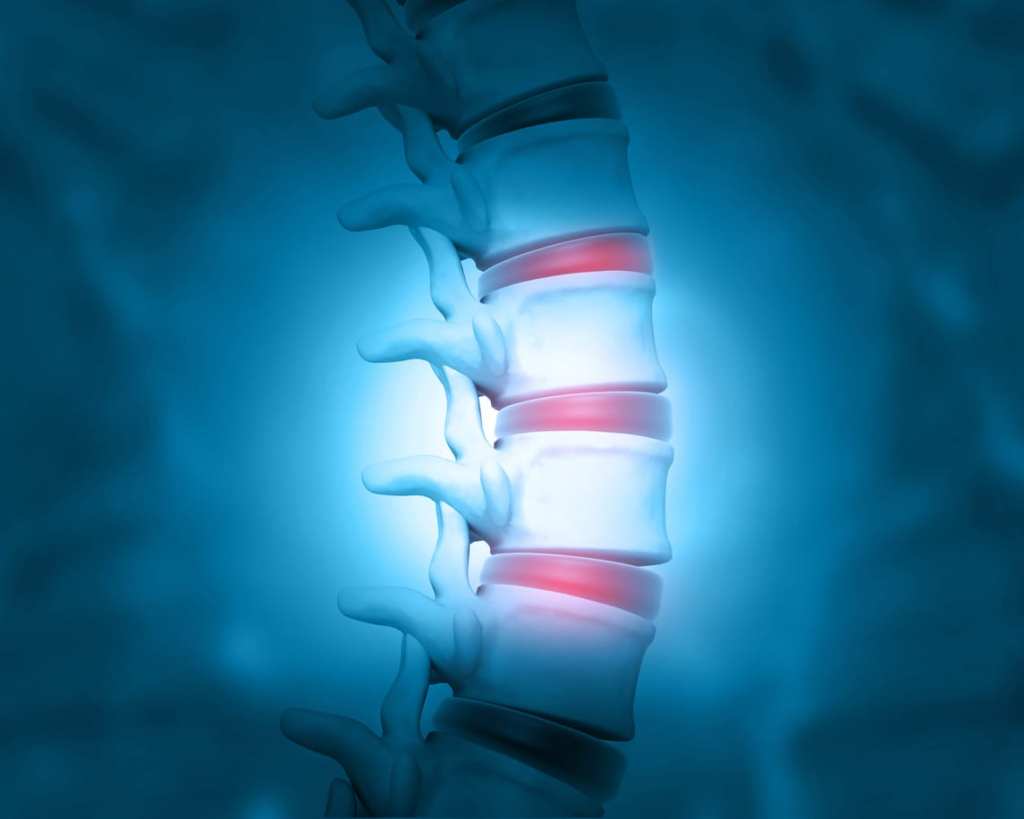
Now, as you focus on nutrition and your diet, and begin the healing process from within your body, it’s essential to simultaneously consider physiological healing from the outside and complement it with energy-based healing. Understanding whether your unconscious body tension, sitting posture, sleeping habits, and standing position in your daily life might be placing stress on your body is crucial. Learning postures and movements that don’t strain your lower back is equally important.
Drawing from various experiences and with a sense of exploring various options, I’d like to introduce four highly effective therapies.
- Alexander Technique
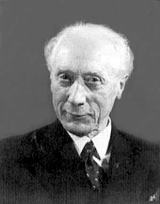
The Alexander Technique is an alternative healthcare approach founded by F.M. Alexander in the early 1900s. Its primary objective is to correct posture, based on the belief that unconscious posture can lead to tension throughout the body with detrimental effects. Practitioners spend significant time with patients, identifying their habits and movements. They explain the adverse effects these habits have on the body and offer personalized therapy sessions focused on correction.
Fortunately, I had a friend who was a practitioner of the Alexander Technique. I met with her, received a diagnosis, and underwent several sessions. I received advice on various everyday movements, such as sitting in a chair, standing, walking, using a computer, and getting out of bed without straining the lower back. I was surprised to learn that many postures we consider “relaxing,” like sitting on a sofa, actually place the most strain on the lower back.

After these sessions, I experienced a significant reduction in lower back pain caused by daily activities. Even now, I remember the relief, particularly when sitting and standing, by continuing to follow the principles I learned in those sessions.
- Prolotherapy
Prolotherapy is an injection therapy that harnesses the body’s innate healing capabilities. Conceptually similar to homeopathy, it triggers the body’s natural healing mechanisms to promote recovery.
In practical terms, Prolotherapy involves injecting substances such as dextrose and glucose into compromised ligaments, tendons, muscles, and joints. This deliberate stimulation prompts self-immunity and accelerates the healing process.
I personally received Prolotherapy injections approximately three times at intervals of 2-3 weeks, and it significantly reduced my pain and tension.
While scientific evidence and research data for Prolotherapy are limited, similar to homeopathy, there is often minimal funding for scientific research in the realm of alternative medical practices. Prolotherapy has gained recognition as an effective treatment used by many professional athletes, including Kobe Bryant, a prominent American basketball player who made a remarkable recovery from an Achilles tendon injury at the age of 38 through this therapy.
In addition to Prolotherapy, stem cell therapy is believed to have a high regenerative effect on bones and spine injuries. Many doctors and health experts whom I trust have mentioned it, but I did not personally try it, so I will not delve into this topic here. For those interested, further research would be advisable.
- Egoscue
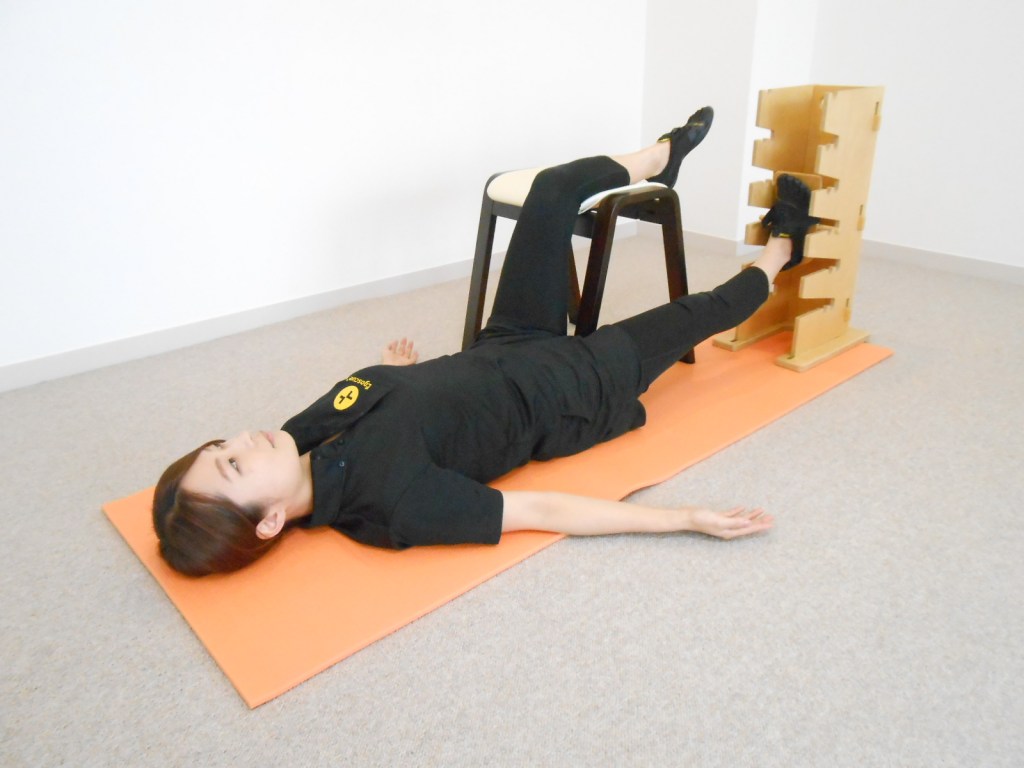
Egoscue is a bodywork method developed by Anthony Egoscue, a former U.S. military personnel, approximately 50 years ago. It posits that bodily pain results from improper muscle use and misalignment of the skeletal structure. Healing is achieved through a series of exercises tailored to each individual.
In my experience, I began with taking photos of fundamental postures, such as standing, sitting, and lying down, from various angles. Subsequently, the range of basic movements and mobility was assessed, revealing insights into bodily misalignments and disparities in muscle strength. Based on this information, I engaged in a sequence of exercises customized to my needs. Progress and changes were regularly measured at 1-2 week intervals, with adjustments made to the exercises based on the results.
Similar to the Alexander Technique, the goal is to rectify the body so that muscles and the skeletal structure return to their natural and functional state. This undoubtedly contributes significantly to the natural healing of the lower back.
A core principle of Egoscue emphasizes that muscles can cause pain if not actively used. In the context of lower back issues, it’s vital to understand that resting and inactivity due to pain can exacerbate the condition, making healing more challenging.
- Acupuncture
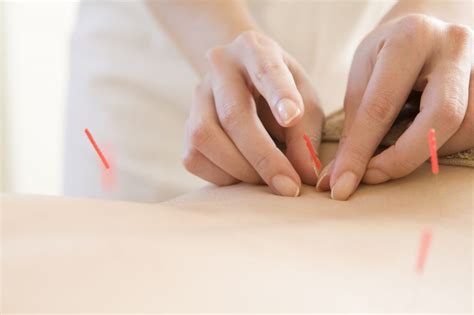
I explored various therapies and found that acupuncture provided both short-term pain relief and long-term effectiveness. Fortunately, I found a skilled practitioner in my local area, and regular sessions helped alleviate my pain.
Through my experience with a herniated disc, I came to understand that everything I had practiced over the years, including posture, movement habits, mindset, and thought patterns, had an impact on my lower back issues. Therefore, for pain relief and to support my energy (Qi), I utilized acupuncture in combination with the Alexander Technique for basic movements and posture correction, and Egoscue. Those techniques also lead me to realize the relation between my habitual movements and thinking patterns.
Other mentions
Furthermore, the form of exercise that worked best for me was Tai Chi and Qigong. After practicing Tai Chi, I often noticed a significant decrease in pain and tension for several hours. Consequently, I increased the frequency of my Tai Chi practice more than before I experienced lower back problems. Qigong and Tai Chi place a strong emphasis on the hip area, which helps relax the muscles from within and promotes the smooth flow of energy around lower back. I developed a profound understanding of the importance of energy support from an energetic perspective.
On a personal note, I am not a “Yoga enthusiast,” and I have very limited experience with Yoga. Therefore, I cannot provide in-depth insights on this practice. Nevertheless, I believe that Yoga could be an effective form of exercise. If you have experience with it, please feel free to share your thoughts on its effects and benefits.
In my case, I found that physical therapy and chiropractic care had minimal to no effect. In particular, I had a negative experience with chiropractic care that exacerbated my symptoms, leading me to discontinue treatment. However, individual responses can vary. If you find a reputable practitioner, it’s important to trust your own judgment and explore treatments that you believe may be beneficial.
Overall, finding a highly skilled practitioner in your chosen field can have the most significant impact on your treatment. I hope that the information on these therapies can be useful, and I encourage readers to share their own experiences.
In the next post, I will discuss “the most effective at-home exercises for lower back injury.”
 LIVE YOUR BEST