
You have learned your tap water might contain harmful substances like chlorine, heavy metals, pesticides, and even emerging contaminants like PFAS (fluorinated compounds) in previous posts about Water. Depending on where you live, your water could pose health risks unless you take proactive steps to protect yourself and your family.
In this post, I’ll guide you through the essentials: how to identify what’s in your water, the best filtration systems for your needs, and why investing in clean water is one of the smartest health decisions you can make.
—
Step 1: Know What’s in Your Water
Understanding your local water quality is critical. What contaminants might be lurking in your water? How can you remove them effectively?
How to Check Water Quality in Your Area
In Japan:
Local municipalities provide detailed water quality reports. For example, the [Tokyo Waterworks Bureau] publishes a comprehensive water quality report that includes residual chlorine levels.
In the U.S. :
The Environmental Working Group (EWG) offers a [National Tap Water Quality Database]with detailed analysis for your area.
Once you know your water’s contaminants, you can choose a filtration method that works for you.
—
Step 2: Choose the Right Filtration System
Not all water filters are created equal. Here’s an overview of popular options and their benefits:
1. Reverse Osmosis (RO) Filters
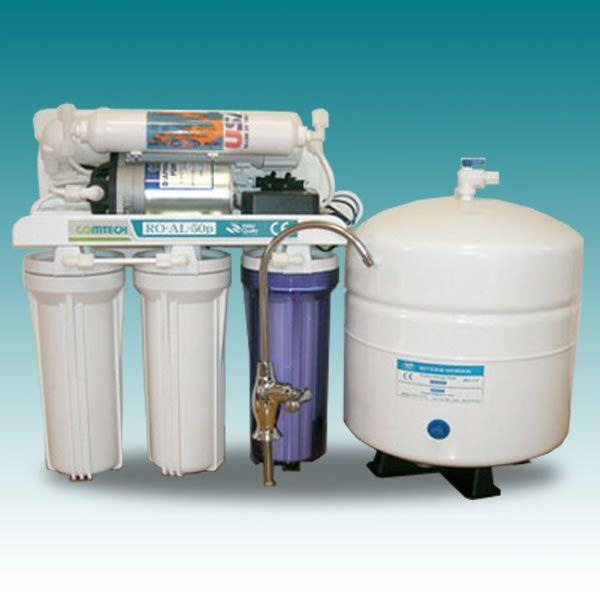
– Removes fluoride, nitrates, lead, and copper with NSF certification.
– Drawback: Strips water of essential minerals, leaving it as “dead water.” Solution? Add a pinch of sea salt for mineral replenishment.
2. Distilled Water Systems
– Purifies water by heating it into steam and condensing it back into liquid.
– Effective at removing large particles like heavy metals, but less effective against endocrine-disrupting chemicals and volatile organic compounds (VOCs).
3. Solid Block Carbon Filters

– EPA-recommended for removing chemicals like pesticides, herbicides, VOCs, and heavy metals.
– My personal favorite: the Berkey Filter. It’s gravity-fed (great for emergencies), made of stainless steel, and can even purify rainwater or pond water.
4. Simple Filters (e.g., BRITA)
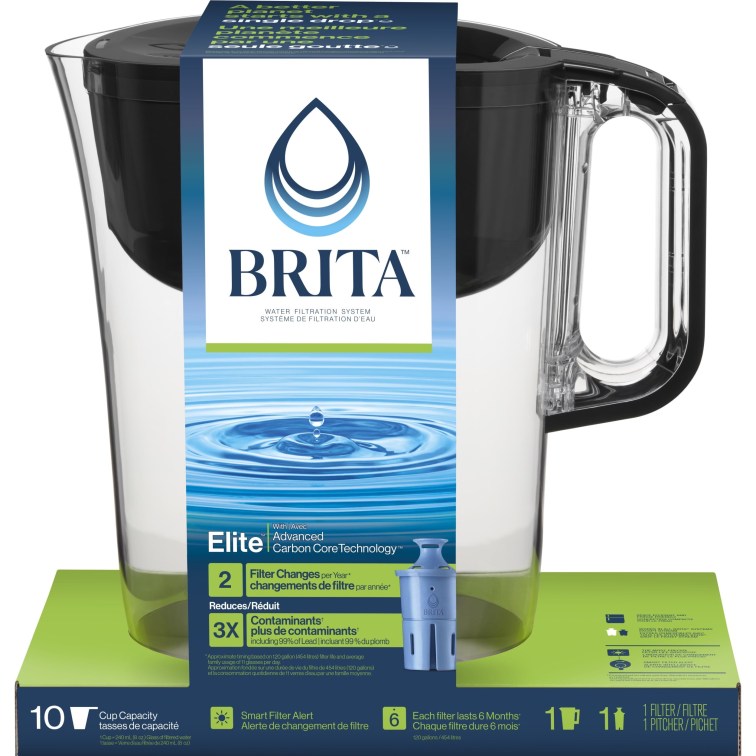
– Affordable but limited in effectiveness. Removes some chlorine and heavy metals but doesn’t fully eliminate unpleasant tastes or ensure safety.
—
Step 3: Understand Filter Materials
– Activated Carbon: Removes chlorine and odors. A simple solution like Binchotan charcoal can make a noticeable difference.
– Hollow Fiber Membranes: Filters out bacteria, rust, and mold through ultra-fine pores.
– Ion Exchange Resin: Targets heavy metals like lead and iron.
– Ceramic Filters: Excellent for removing rust and bacteria with micro-pores.
—
Why I Avoid Bottled Water
I never drink bottled water—and here’s why:
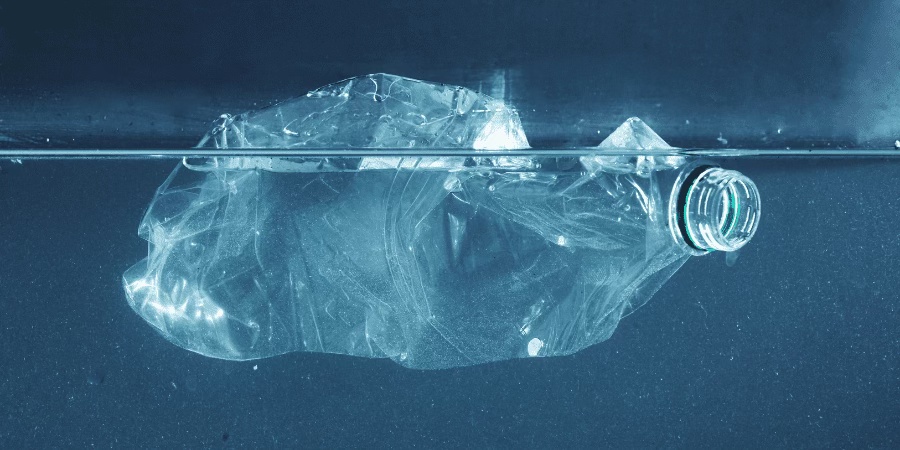
1. Environmental Impact: The production and disposal of plastic bottles are major contributors to pollution.
2. Health Risks: Bottles may leach BPA, a known endocrine disruptor linked to cancer and other health issues.
Please Please Please stop drinking plastic bottled water. Carry your own Water bottle.
Thinking Beyond Drinking Water
Did you know the water in your shower and bath could harm you too? Chlorine, when heated, creates trihalomethanes—carcinogens that can be absorbed through your skin or inhaled as steam. Installing filters for your bathroom water can further protect your health.
Advanced Options for Health Enthusiasts
For those looking to go beyond standard filtration: Price from $1,500 – 5,000
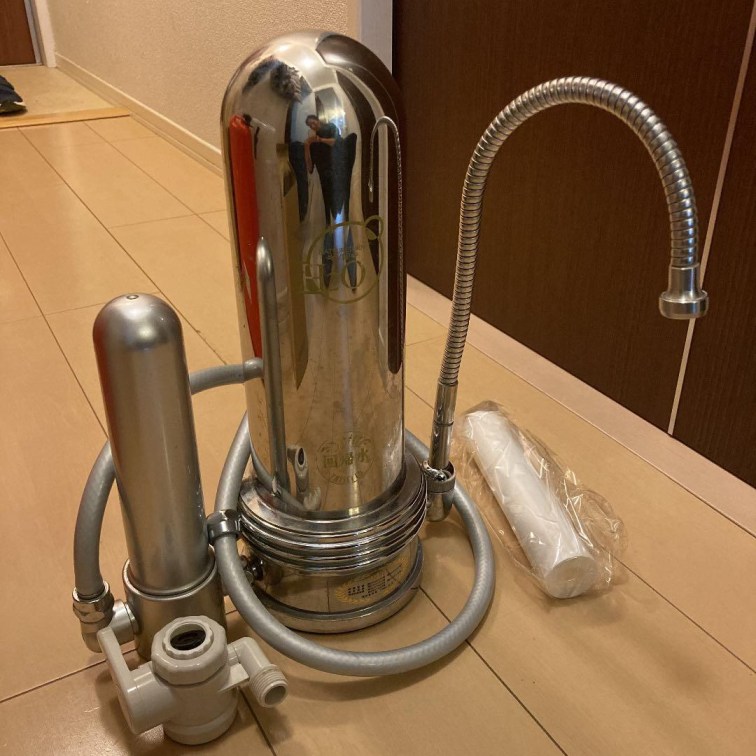
– Re-Structured Water Systems (Kaiki-Sui): I used this in the past in New York. Actually amazed by its effects. It is supposed to create high frequency water. When vegetables are soaked in this water, I saw oils and other still floated in the surface. ( I was told this was herbicides and pesticides) Mimics high-quality natural spring water and claims to improve produce freshness, reduce toxins, and even extend flower life.
– Kangensui: Alkaline water made via electrolysis, touted for its potential health benefits. However, more research is needed to confirm its effectiveness.
—
Clean Water, Healthy Life
Your health starts with the water you consume daily. By understanding what’s in your tap water and investing in the right filtration system, you can make a lasting impact on your well-being.
Start small—filter your drinking water first. Then consider extending your efforts to shower and bath water. Together, these steps can significantly reduce your exposure to harmful substances.
Let’s take control of our water and our health.
Have you tried a specific water filtration system that you love? Share your experience in the comments below—I’d love to hear about it!
Subscribe to “Live Your Best”, your go-to source for comprehensive information to guide you on the path to a healthier life. Drawing from my expertise as a certified Health Coach and insights from practices such as Shiatsu, Taichi-Chen, and Daoism, I will share my discoveries for health and longevity in unconventional ways.
Note: Please be aware this blog system default language is set to Japanese, the notification email you will receive may be Japanese BUT the contents are all in English.
If you would like further health consultations for your personal needs, please directly contact me. You can leave comments below with your e-mail address. I will contact you within 24 hours.
 LIVE YOUR BEST