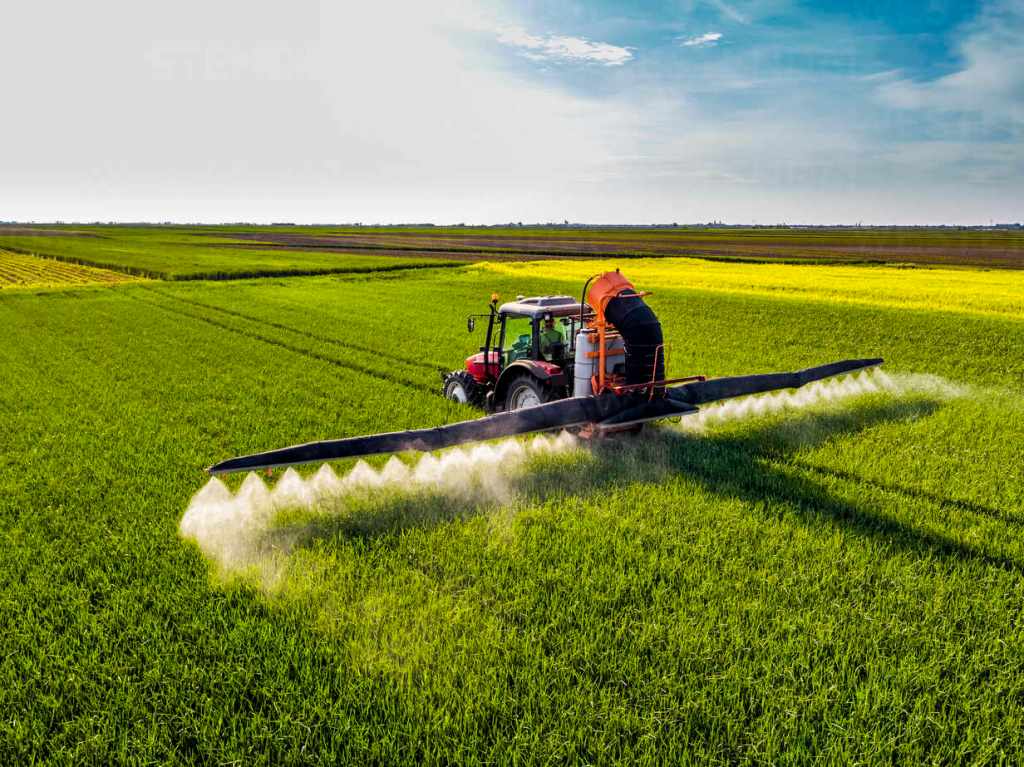
Where do toxins enter our bodies?
They come from everywhere: food additives, pesticides, insecticides, herbicides, tap water, industrial waste, household cleaners, cosmetics, building materials, car exhaust, canned food linings, plastics, prescription drugs—you name it. But if you’re reading this, you’re probably already health-conscious and aware of many of these sources.
In fact, over the past 50 years alone, tens of millions of synthetic chemicals have been registered, with thousands specifically used in food production. The sheer number of chemicals introduced in just half a century is astronomical, and today, toxins are virtually everywhere. We live in a world saturated with them—a life surrounded by invisible poisons. Toxins often hide in places we’d never even think to look.
Take pizza, for example.
I’m not talking about the obvious concerns—like the processed salami, the cheese, or the refined carbs in the crust.
I’m talking about the pizza box itself. To make pizza boxes resistant to water and grease, manufacturers still coat them with perfluorinated alkylated substances (PFAS)—chemicals with names scarier than a Pokémon villain, like perfluorooctane sulfonic acid. PFAS disrupts the endocrine and immune systems and has been linked to developmental delays, reproductive issues, neurological disorders, weakened immunity, and increased cancer risk. For growing children, these toxins can be especially harmful.
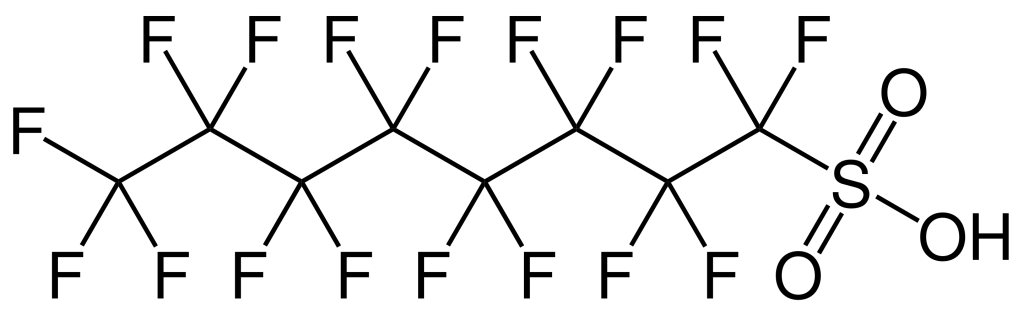
And PFAS isn’t just in pizza boxes. It’s found in non-stick pans, rain jackets, hiking boots, stain-resistant clothing and furniture, backpacks, and even some medical devices. Given how widespread these products are, it’s fair to say that many people—especially in countries like Japan, where health awareness often doesn’t match the level of exposure—carry a significant toxic burden.
So where do these dangerous, persistent chemicals end up once they enter our bodies through contact or inhalation?

A 2015 joint study by the University of Copenhagen and Danish universities found that PFAS can pass into infants’ bodies through their mother’s breast milk, with the toxins becoming even more concentrated in breast milk than in the mother’s own blood. This makes the impact on newborns even more serious.
Link to study
The toxins we accumulate in our bodies today may not only affect our own health, but could also impact future generations, being passed on and causing problems for our descendants.
That’s why, if you want to stay healthy and avoid modern chronic illnesses like cancer, diabetes, heart disease, dementia, rheumatoid arthritis, osteoporosis, and many other lifestyle diseases, it’s crucial to:
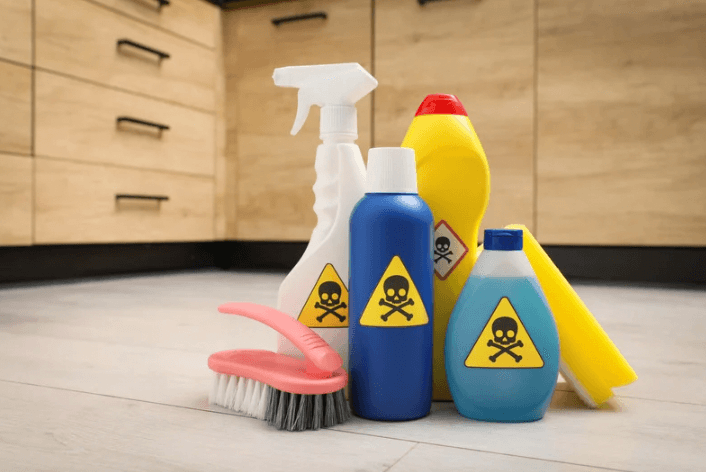
- Avoid toxins as much as possible.
- Support your body’s detoxification processes regularly.
It’s impossible to live completely toxin-free in today’s world. Our innate detoxification system is no longer able to keep up with the overwhelming amount of toxins we are exposed to. So what matters is that we stay informed, do our best to minimize exposure, and help our bodies eliminate toxins. This is especially critical for anyone planning to have children, since what’s in your body today could affect the health of the next generation.
We will look into more on detoxification in the next post.
Subscribe to “Live Your Best”, your go-to source for comprehensive information to guide you on the path to a healthier life. Drawing from my expertise as a certified Health Coach and insights from practices such as Shiatsu, Taichi-Chen, and Daoism, I will share my discoveries for health and longevity in unconventional ways.
 LIVE YOUR BEST