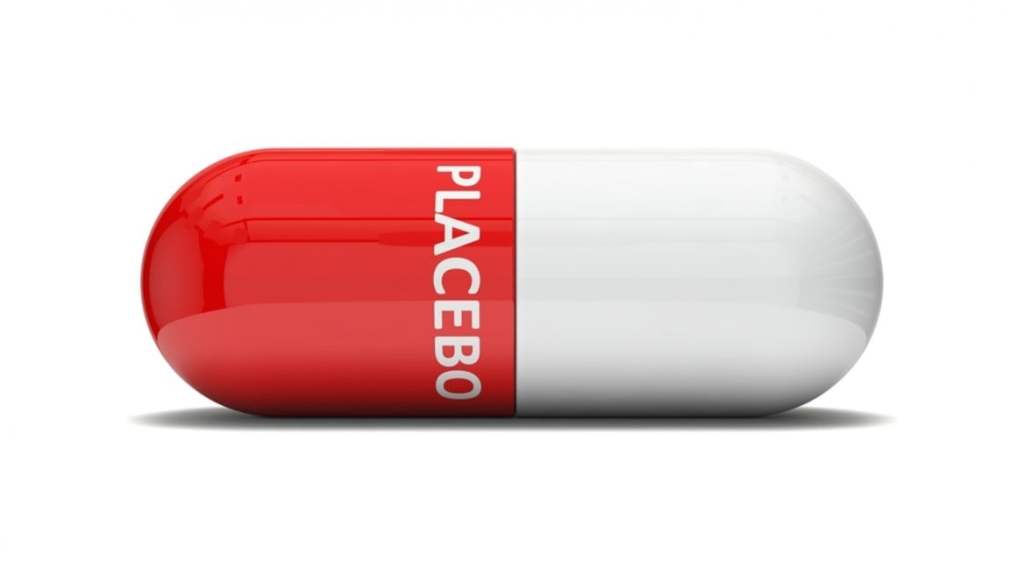
You may have heard the term placebo before. In clinical trials, researchers test whether a medication has real therapeutic effects by comparing it to a chemically inactive substance, such as a sugar pill, given to participants. This chemically inactive substance is known as a placebo.
What makes placebos fascinating is that, despite containing no active medicinal ingredients, they often produce positive effects on a participant’s condition due to psychological influences. This phenomenon is referred to as the placebo effect.
What Is the Placebo Effect?
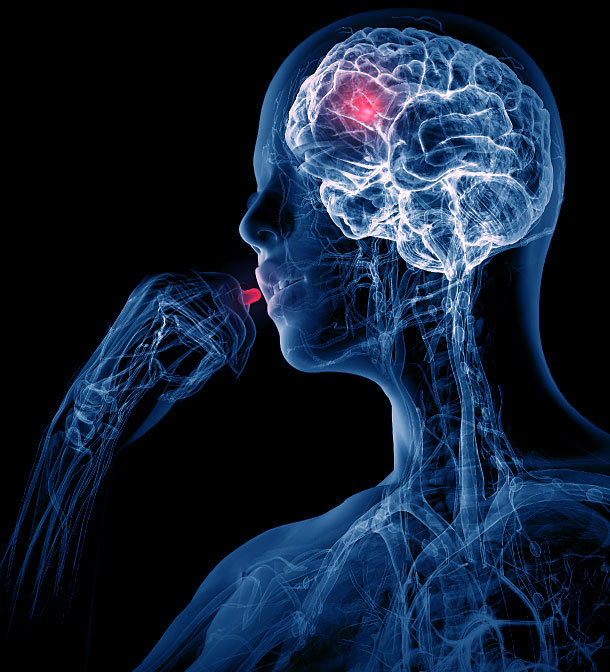
The placebo effect occurs when a person experiences real improvements in their condition simply because they believe they are receiving an effective treatment. For example, someone who takes a placebo pill for pain relief might feel less pain, even though the pill has no medicinal properties. Studies suggest that this effect is tied to the brain’s ability to release chemicals, such as endorphins, in response to positive expectations.
The Science Behind Placebos
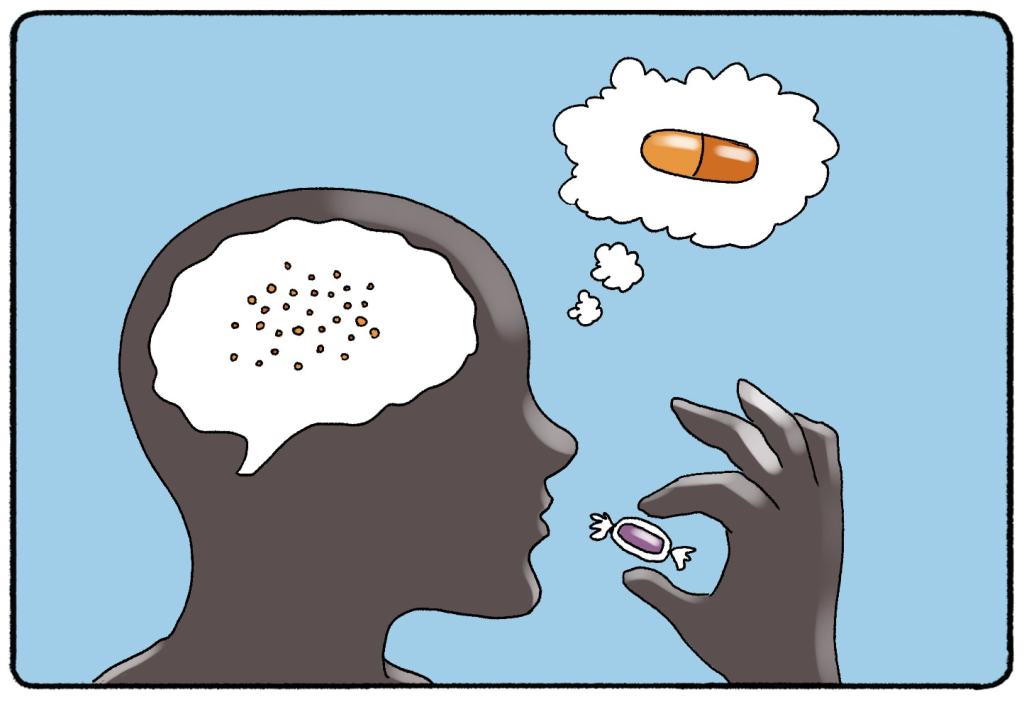
Extensive research has been conducted on the placebo effect, but its exact mechanisms remain somewhat mysterious. What is clear is that belief and trust play a significant role in triggering the body’s natural healing responses.
Consider this: if a trusted doctor tells you, “Take this, and your illness will improve,” and hands you a placebo, your condition might genuinely improve because of the belief you place in the treatment. This mind-body connection is strikingly similar to childhood experiences, such as when a parent’s comforting words and actions—“Pain, pain, go away!”—actually seemed to alleviate pain.
The Mind-Body Connection
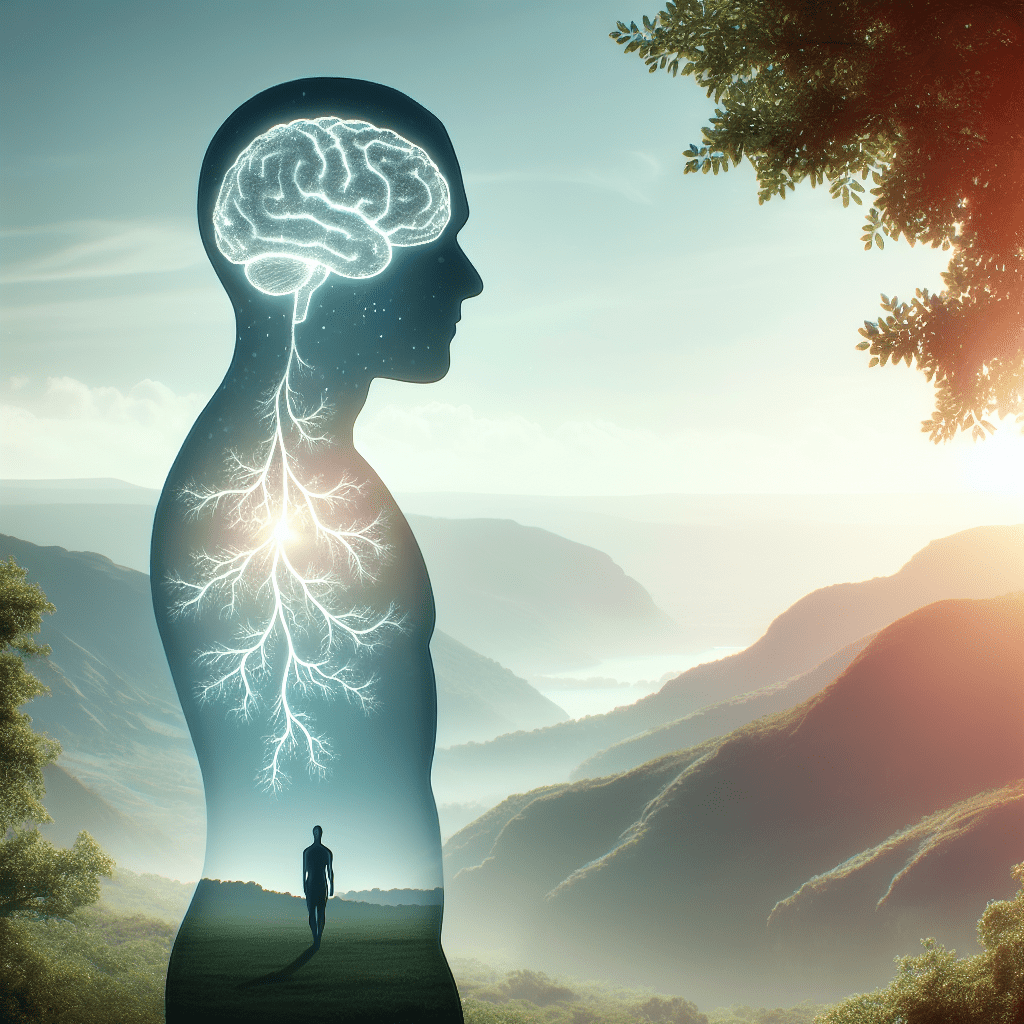
The placebo effect highlights the deeply interconnected relationship between our minds and bodies. It provides scientific backing for the age-old saying, “Illness starts in the mind.” In addition, it underscores the power of willpower and positive thinking in influencing physical health.
Dr. Joe Dispenza, a prominent researcher and advocate of mind-body healing, has explored this concept extensively. One of his books shares a particularly thought-provoking story:
A Story of Belief and Its Impact
=========
A man was diagnosed with esophageal cancer. After undergoing numerous tests, doctors concluded that the cancer had spread to his liver and gave him only a few months to live. The man told his doctors, “I just want to survive past Christmas. I want to spend one last holiday with my family.”
He fulfilled his wish, celebrating Christmas with his loved ones. However, a week later, on New Year’s Day, he passed away. When an autopsy was performed, it was revealed that the diagnosis of liver cancer had been incorrect. He had no trace of liver cancer, nor any other condition severe enough to cause his death.
==========
This suggests that the man died not from cancer, but from his belief that he was terminally ill. This extreme example of belief influencing health outcomes is referred to as the nocebo effect, the counterpart to the placebo effect, where negative expectations lead to harmful outcomes.
The Power of Thought

If negative thoughts and beliefs can lead to death, it stands to reason that positive thoughts could have the opposite effect. They might help individuals recover from illness or improve their overall well-being. This idea is both empowering and humbling, as it underscores the profound impact our minds can have on our physical health.
Takeaways
- The placebo effect demonstrates that belief and trust can trigger real physiological changes.
- The mind and body are deeply connected, influencing each other in powerful ways.
- Positive thinking and faith in a treatment can promote healing, while negative thoughts can exacerbate illness (as seen in the nocebo effect).
Illness starts in the mind, and so does healing. Our thoughts have the power to either sustain life or diminish it. By nurturing positivity and trust in our ability to heal, we unlock the immense potential of the mind-body connection.
Subscribe to “Live Your Best”, your go-to source for comprehensive information to guide you on the path to a healthier life. Drawing from my expertise as a certified Health Coach and insights from practices such as Shiatsu, Taichi-Chen, and Daoism, I will share my discoveries for health and longevity in unconventional ways.
Note: Please be aware this blog system default language is set to Japanese, the notification email you will receive may be Japanese BUT the contents are all in English.
If you would like further health consultations for your personal needs, please directly contact me. You can leave comments below with your e-mail address. I will contact you within 24 hours.
 LIVE YOUR BEST