
In my last post, I talked about how vegetable oils (especially seed oils) have been harming our health. But after reading that, you might be wondering: If so many oils are bad, then which ones should we be using?
Today, I want to introduce you to some of the best oils that your body will genuinely love. But before we dive into that, let’s take a quick look at some hidden sources of unhealthy oils that you might be overlooking.
Beware of These Hidden Oils
Many processed snacks, fried foods, and sweet treats are loaded with unhealthy vegetable oils. A quick look at supermarket shelves reveals just how pervasive these oils are. It’s no surprise that Japan has become a leading country in chronic illnesses such as cancer, heart disease, and diabetes. It’s not just about cooking oils—these harmful fats are hiding in many everyday foods. Be mindful of what you consume!
What to Look for in a Healthy Oil
When choosing an oil, here are the key factors to consider:
- Minimal oxidation and degradation: As I mentioned before, oxidation is the real enemy. Many vegetable oils start oxidizing during their refining process, making them harmful before they even reach your kitchen.
- High smoke point: When oil is heated beyond its smoke point, it oxidizes rapidly and releases toxic acrylin. For high-heat cooking, choose oils with a high smoke point.
- Minimal processing: The less refined, the better.
- Dark glass bottle packaging: This protects the oil from light exposure, which can accelerate oxidation.
- Beneficial fatty acid composition: The right balance of fatty acids contributes to overall health.
The Top Oils for Your Health
If I were to create a sumo ranking for oils, here’s how I’d position them:
Yokozuna (Grand Champion): Coconut Oil
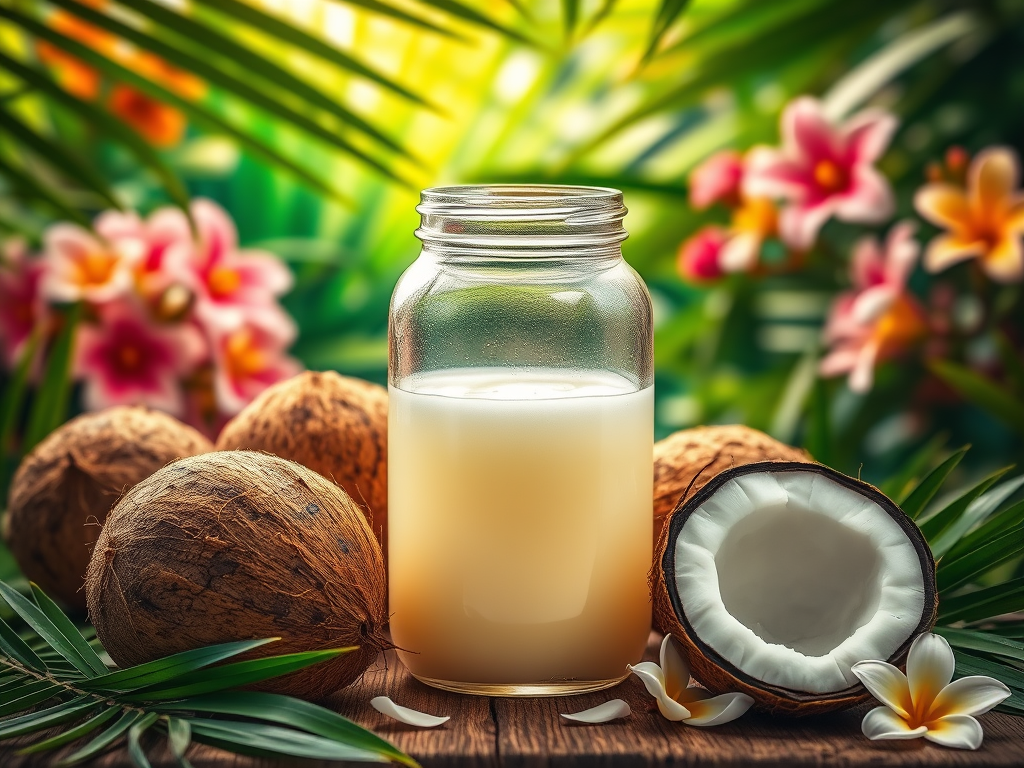
I used to rely on olive oil for almost everything, but ever since discovering coconut oil, it has become my staple. However, I’m specifically talking about extra virgin, cold-pressed coconut oil.
Why it’s great:
- High in MCTs (medium-chain triglycerides), which convert quickly into energy and support brain function by promoting ketone production.
- Multi-purpose: Not only is it a fantastic cooking oil, but it also works as a natural sunscreen, antimicrobial agent, and hair moisturizer.
- High smoke point, making it resistant to oxidation when used for frying or sauteing.
Ōzeki (Champion): Olive Oil

Olive oil is everywhere, but not all olive oils are created equal. Some brands dilute their oil with cheaper alternatives like canola or corn oil. Always opt for extra virgin, cold-pressed olive oil from reputable sources.
Why it’s great:
- Helps reduce LDL (bad cholesterol) while maintaining or increasing HDL (good cholesterol).
- A high-quality olive oil has an incredible aroma and taste.
- Has a relatively high smoke point, making it versatile for cooking.
Sekiwake (Junior Champion): Avocado Oil

Why it’s great:
- Extremely high smoke point, making it one of the safest oils for cooking at high temperatures.
- Rich in monounsaturated fats (oleic acid), providing anti-inflammatory benefits.
- Mild flavor, making it easy to incorporate into a variety of dishes.
Sekiwake (Junior Champion): Ghee

Ghee has been used in India for thousands of years and is a key element in Ayurvedic medicine for its cleansing properties.
Why it’s great:
- Packed with fat-soluble vitamins A, D, K, and E, as well as short-chain fatty acids that promote gut health and reduce inflammation.
- High smoke point, making it excellent for cooking.
Komusubi (Senior Rank): Butter
Butter was demonized for decades due to its saturated fat content, but recent research has debunked the link between saturated fat and heart disease.
Why it’s great:
- Delicious and pairs perfectly with bread.
- Rich in vitamin A.
- Contains CLA (conjugated linoleic acid), which has been linked to fat loss, immune support, and even cancer prevention (source).
However, quality matters! Always choose organic, grass-fed butter, preferably from raw milk. Avoid mass-produced butter from cows treated with hormones, antibiotics, or fed GMO corn and soy. The difference in nutritional value is massive. Also, since butter has a lower smoke point, it’s best not to use it for high-heat cooking.
How I Use These Oils (The ones I have in my kitchen)
- For high-heat cooking (e.g., stir-frying, deep-frying): Coconut oil or ghee.
- For salads and cold dishes: Olive oil.
- For bread and spreading: Butter.
Some health experts advocate consuming oils in their raw state whenever possible. In Taoist dietary principles, stir-frying is often recommended because it allows food to retain its nutrients while minimizing oxidation.
Challenges in Japan
One issue is that high-quality oils are not widely available in Japan, and when they are, they tend to be expensive. However, one reliable source I can personally recommend is Cocowell, a company specializing in high-quality coconut oil.
Final Thoughts
Even small changes in the oils you use can have a profound impact on your health. Start making more mindful choices today, and give your body the nourishment it deserves.
If you have any questions or need recommendations, feel free to leave a message!
Subscribe to “Live Your Best”, your go-to source for comprehensive information to guide you on the path to a healthier life. Drawing from my expertise as a certified Health Coach and insights from practices such as Shiatsu, Taichi-Chen, and Daoism, I will share my discoveries for health and longevity in unconventional ways.
Note: Please be aware this blog system default language is set to Japanese, the notification email you will receive may be Japanese BUT the contents are all in English.
If you would like further health consultations for your personal needs, please directly contact me. You can leave comments below with your e-mail address. I will contact you within 24 hours.

