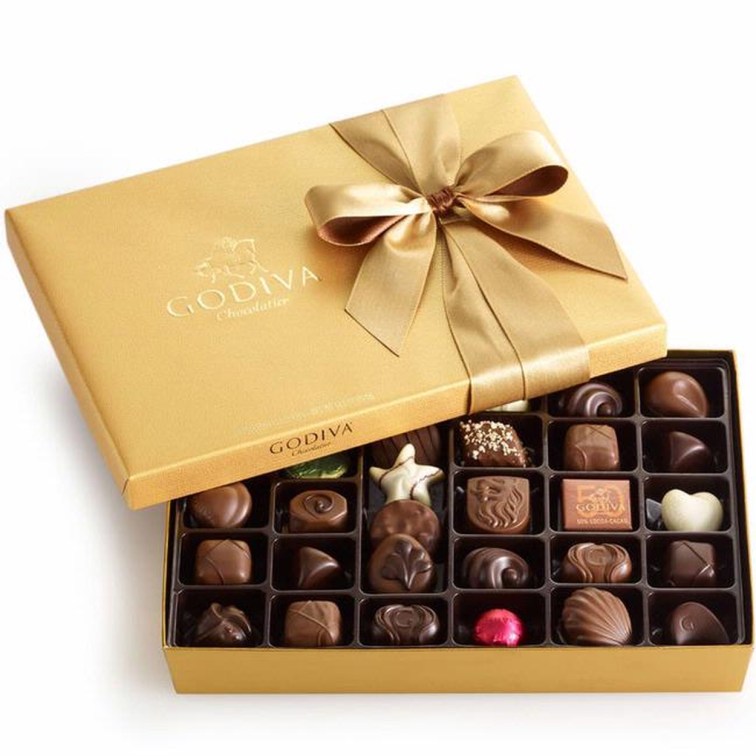
Lately, dark chocolate has been getting a lot of attention on Japanese YouTube and from health professionals for its supposed health benefits. It’s true—cacao contains polyphenols and flavonoids, powerful antioxidants that help neutralize free radicals, reduce oxidative stress, and support overall well-being. These compounds have been linked to cancer prevention, cognitive improvement, heart health, and glowing skin.
But—as I often say—not all chocolate is created equal.
Health Halos and Hidden Hazards
Just like celery is praised for detoxifying the blood, yet often comes with high pesticide residue, chocolate can also be a double-edged sword. Even setting aside organic vs. non-organic issues, there are countless chocolates on the market that are, frankly, junk—some of them hiding behind a shiny “premium” label.
Let’s take a closer look.
When “Luxury” Means Toxic: The Case of Godiva

Godiva, for instance, is widely perceived as a luxury brand. It’s sold at high prices in duty-free stores, and many travelers from Japan fill their baskets with these glittering boxes, believing they’re gifting health and class.
But buyer beware—these treats may be doing more harm than good. Especially if they contain ingredients like:
- Corn Syrup (High Fructose Corn Syrup) – Sweeter than sugar, rapidly metabolized by the liver, linked to fatty liver disease, insulin resistance, obesity, and Type 2 diabetes. Common in sodas and junk foods—also a major contributor to childhood obesity.
- Hydrogenated Oils – The infamous trans fats, linked to heart disease and inflammation.
- Carrageenan – A seaweed-derived thickener often found in ice creams and cosmetics. Studies suggest it may trigger inflammation, digestive issues, or even carcinogenic effects.
- Titanium Dioxide – Used as a colorant, flagged for potential carcinogenicity.
Other frequent offenders in some chocolate products:
- Artificial colors and flavors
- PGPR (Polyglycerol Polyricinoleate) – A synthetic emulsifier used to replace real cocoa butter, extending shelf life but raising concerns about inflammation and cancer risks.
- Soy-based emulsifiers – Often GMO-derived, may alter gut microbiota and have been linked to colon cancer.
- TBHQ (Tertiary Butylhydroquinone) – A synthetic preservative. Animal studies suggest links to tumors, liver enlargement, and neurological issues.
Even chocolates I once loved—like Ghirardelli (a San Francisco favorite), Kit-Kat, and Hershey’s Kisses—are often filled with these harmful ingredients.
The Bitter Truth: Child Labor in Cacao Production
Beyond health, there’s a darker side to chocolate: child labor.
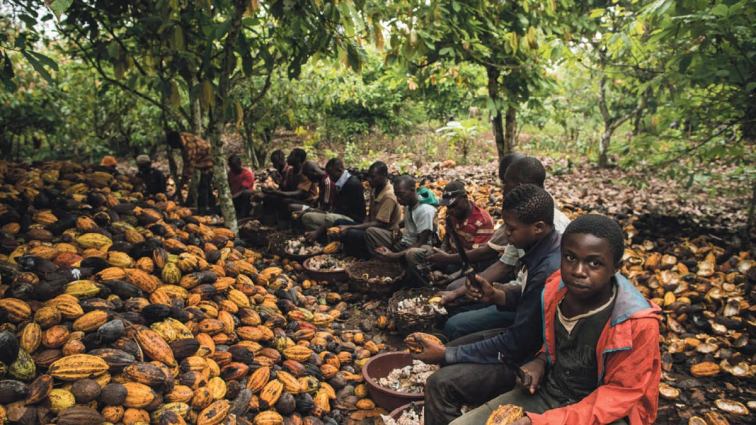
In West African nations like Ghana and Côte d’Ivoire, children—many aged 12 to 16, and in some cases as young as 5—are forced to work on cacao farms. These children work from sunrise to sunset, often wielding large machetes to cut cacao pods and remove beans. Most of them bear cuts on their hands and legs, and few ever attend school.
Cacao farmers in Côte d’Ivoire typically earn around $2 a day, not even enough for a dozen eggs. Shockingly, only 12% of these farmers earn what’s considered a living wage.
There’s also human trafficking—children being sold into forced labor specifically for cacao harvesting.
Corporate Complicity and Recent Legal Action
This issue isn’t new. In 2004, journalists attempting to expose cacao-related corruption in Côte d’Ivoire were kidnapped or killed. In 2010, others were jailed for similar efforts. These farms often supply major brands like Hershey’s, Mars, and Nestlé.
In 2021, a landmark case in the U.S. saw eight former child laborers sue Nestlé and Cargill, alleging the companies knowingly profited from forced child labor on West African farms.
According to a 2015 study by Tulane University:
- 1.3 million children in Côte d’Ivoire
- 920,000 children in Ghana
are estimated to be working under exploitative conditions in cacao production.
Deforestation is another major concern. To expand cacao farming, vast stretches of tropical rainforest are destroyed, making chocolate a contributor to environmental degradation as well.
What You Can Do


There are organizations working to correct these injustices and build a more ethical chocolate industry. When buying chocolate, look for brands affiliated with or certified by:
- Fairtrade Japan: https://www.fairtrade.org
- Rainforest Alliance: https://www.rainforest-alliance.org/
- Fair for Life: https://www.fairforlife.org/en/
By choosing ethically sourced chocolate, you’re supporting fair wages, opposing child exploitation, and protecting the environment.
Chocolate can still be a superfood—but only when it’s made with integrity. Choose wisely.
Subscribe to “Live Your Best”, your go-to source for comprehensive information to guide you on the path to a healthier life. Drawing from my expertise as a certified Health Coach and insights from practices such as Shiatsu, Taichi-Chen, and Daoism, I will share my discoveries for health and longevity in unconventional ways.
Note: Please be aware this blog system default language is set to Japanese, the notification email you will receive may be Japanese BUT the contents are all in English.
If you would like further health consultations for your personal needs, please directly contact me. You can leave comments below with your e-mail address. I will contact you within 24 hours.

