
In Japan, it’s well known that the aging population is progressing, and in proportion to that, the number of people with dementia is increasing year by year. Currently, the elderly make up about 30% of the total population, and among them, approximately 20% are individuals with dementia. Moreover, Alzheimer’s patients have increased significantly over the past 30 years. In 1992, there were 20,000 patients, but as of now, around 790,000 patients are estimated.
While aging is certainly a factor, it’s important to note that the rapid increase in toxins (including pharmaceutical harm) over the past 30-40 years has also played a significant role in this trend.
Although many people associate old age with dementia, it’s not solely the case.
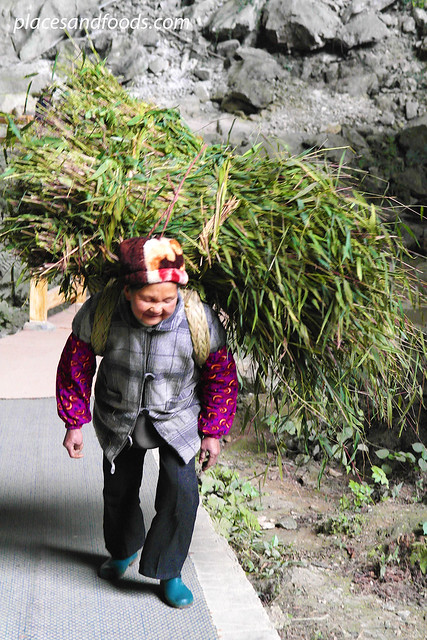
The village of “Bama Town” in China, renowned for its centenarians, has the highest number of centenarians in the world. American doctors conducted extensive research there. The results showed that the centenarians in Bama Town rarely suffered from diseases, including not only heart disease but also diabetes and cancer, and the occurrence of dementia was almost negligible.
From this, it’s evident that old age doesn’t necessarily equate to dementia.
Interestingly, what is common among many longevity villages around the world is not good food or quality medical care, but rather the presence of “beautiful nature,” moderate “physical labor,” and a strong “sense of community.”
Hippocrates, often referred to as the first medical doctor in human history, said, “Human beings are designed to live up to 120 years.”
I also consider this to be a natural truth.
While statistics might suggest that lifespans are increasing, many elderly individuals find themselves in states where they are bedridden, experiencing cognitive decline, or dealing with diseases like cancer, diabetes, and heart conditions. They might be undergoing dialysis, hospitalized, or dependent on caregiving. This doesn’t truly constitute longevity. It’s far from the auspicious kind of long life that the word “長寿” (longevity) implies. So, what can we do to achieve a truly celebratory, healthy long life?
First and foremost, I’d like to share what I know about optimizing the most crucial aspect of our well-being, the “brain,” over the course of five discussions. I hope to share this information with everyone because it’s not only important for people in their 20s and 30s, but also for those struggling with illnesses and those dedicated to maintaining their health.
 LIVE YOUR BEST