Understanding Sleep and Insomnia: A Brief Overview

In this episode, we will explore the fundamental aspects of sleep, with the aim of gaining insights into insomnia.
You’ve likely come across the term “REM sleep” before. REM stands for Rapid Eye Movement, and it’s named as such because your eyes move rapidly during sleep. During this REM sleep phase, brain waves resemble those of wakefulness, and it’s considered the stage where dreaming is most likely to occur. (By the way, your muscles are relaxed during this phase, which can lead to what’s commonly known as “sleep paralysis.”)
In contrast, there exists another sleep phase known as non-REM sleep, which is further divided into three stages. Among these stages, the most crucial for restorative sleep is Deep Sleep, colloquially referred to as “brain cleaning.”
Recent research reports suggest that during sleep, the brain’s waste disposal system, the “glymphatic system,” is active and concurrently processes beta-amyloid, believed to be a contributor to Alzheimer’s disease. Consequently, individuals with chronic insomnia symptoms may accumulate beta-amyloid, rendering them more susceptible to Alzheimer’s.
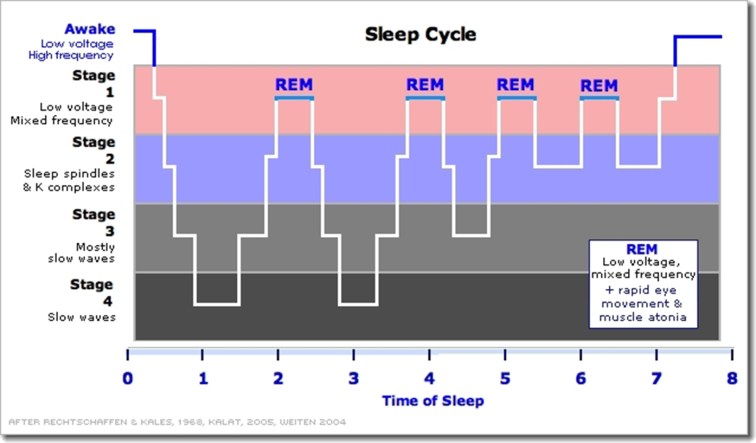
Throughout a single sleep cycle, non-REM sleep and REM sleep alternate three to four times, with the first Deep Sleep stage occurring within the initial 1-2 hours after falling asleep. Since sleep becomes progressively lighter with each cycle, achieving a good night’s sleep during this initial Deep Sleep stage increases the likelihood of waking up refreshed the next morning.
Now that we have a foundational understanding of sleep patterns, let’s delve into “insomnia.” Insomnia can be broadly classified into two patterns.
The first pattern involves the inability to fall asleep promptly upon getting into bed. The second pattern entails waking up in the middle of the night and struggling to return to sleep due to racing thoughts or anxiety.
The underlying causes of these two patterns differ.
A significant factor contributing to waking up in the middle of the night may be insufficient energy. Interestingly, it’s said that sleep requires energy, and this assertion aligns with physiological processes.
During sleep, the brain undergoes synaptic pruning, a process in which about 20% of unnecessary synapses are pruned to make way for new memories. Consequently, if the energy required to support this substantial workload is lacking, the body increases cortisol and glucose production to provide instant energy, thereby placing the brain in a mild state of the “fight or flight” response. This can trigger racing thoughts and anxiety, making it challenging to return to sleep.
For individuals experiencing this form of insomnia, trying one of the following options approximately 30 minutes before bedtime may assist in supplying the brain with essential nutrients:
1. Collagen
2. MCT oil (Interestingly, in Japan, MCT oil is commonly added to miso soup)
3. A small amount of raw honey
Feel free to experiment with all three if you wish, but remember never to heat raw honey.
To further enhance the quality of your sleep, especially if you struggle with the pattern of being unable to fall asleep promptly after getting into bed, stay tuned for this series where we will systematically discuss various strategies. Implementing these strategies can bring you closer to experiencing the best sleep possible.
Next, we will see Sleep and Nutrition.
 LIVE YOUR BEST