
Here’s an intriguing question: When do you think the day with the fewest deaths worldwide occurs?
You might find it surprising, but in 1976, there was a day in Los Angeles County when the number of deaths suddenly dropped by over 20%. Upon investigation, it turned out that this was the day when many doctors went on strike to demand higher insurance payouts due to medical errors.
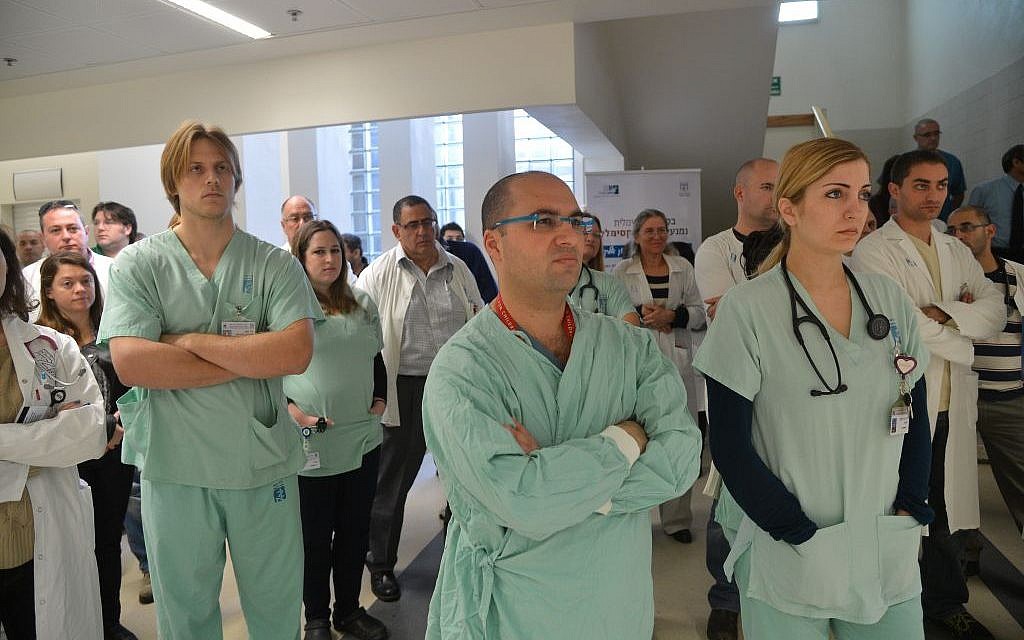
A similar situation occurred in Israel when doctors went on strike for a month. During this period, daily hospital visits plummeted from 75,000 to an average of 6,000, and Israel’s overall mortality rate decreased by an astonishing 50%.
Does this mean that fewer doctors lead to fewer deaths? While it might sound contradictory, the top three causes of death offer some explanation.

According to a report by the U.S. Centers for Disease Control and Prevention (CDC), medical-related deaths are estimated to be around 250,000 per year, making it the third leading cause of death after heart disease and cancer.
This category includes prescription errors, medical errors, and surgical mistakes. When unreported cases are factored in, the numbers are likely even higher. This issue is not confined to the U.S.; Japan faces similar challenges. What’s even more alarming is that a significant percentage of deaths are caused by side effects or adverse reactions to correctly prescribed medications.
In other words, the very treatments and medications prescribed in hospitals can be significant contributors to mortality.
Moreover, modern medicine has not only fallen short in effectively treating contemporary diseases like diabetes, heart disease, and various autoimmune disorders, but there are also numerous reports of it causing harm. This is largely because modern medicine focuses on symptom suppression rather than addressing the root causes of diseases. There is still a widespread belief that chemical drugs can cure everything, often neglecting the importance of a patient’s lifestyle.
In fact, many cases show that what was once considered fatal heart disease has been reversed through self-management practices such as lifestyle medicine. This is why conventional hospital medicine is increasingly criticized as not “health care” but merely “disease care.”

The future of health is shifting from reliance on medical intervention—or “depending on others”—to a focus on personal responsibility, or “self-reliance.” We are moving into an era where, as parents often told their children, “You must take responsibility for your own life.” Beyond the disappointing results of medical practices, it’s becoming clear that this is the most effective way to achieve true health. This shift is especially crucial in the U.S., where medical costs are ten times higher than most of the countries.
The COVID-19 pandemic has also exposed how heavily controlled hospitals and doctors can be, leading many to lose faith in the American medical system, which is closely tied to pharmaceutical companies and health insurance providers.
So, how can we take responsibility for our own health?
In the coming years, health consultants, counselors, and coaches who provide methodologies to help us achieve health and well-being will likely become key figures in our lives.
Subscribe to “Live Your Best”, your go-to source for comprehensive information to guide you on the path to a healthier life. Drawing from my expertise as a certified Health Coach and insights from practices such as Shiatsu, Taichi-Chen, and Daoism, I will share my discoveries for health and longevity in unconventional ways.
Note: Please be aware this blog system default language is set to Japanese, the notification email you will receive may be Japanese BUT the contents are all in English.
 LIVE YOUR BEST