
In the previous article, I discussed the reality of the endless crossbreeding of wheat for mass production and profit since the late 20th century. In this article, we will examine how this continuous crossbreeding has altered wheat and the adverse effects it has on us.

Much of the content in this series is referred to Davis MD, William. *Wheat Belly: Lose the Wheat, Lose the Weight, and Find Your Path Back to Health. This is not only the relationship between wheat and fat, but also a thorough history and nutrition based on scientific researches.
Adverse Effects of Wheat on Humans
There are three major adverse effects of wheat on humans: celiac disease, diabetes, and neurological disorders. Let’s take a closer look at each.
Celiac Disease
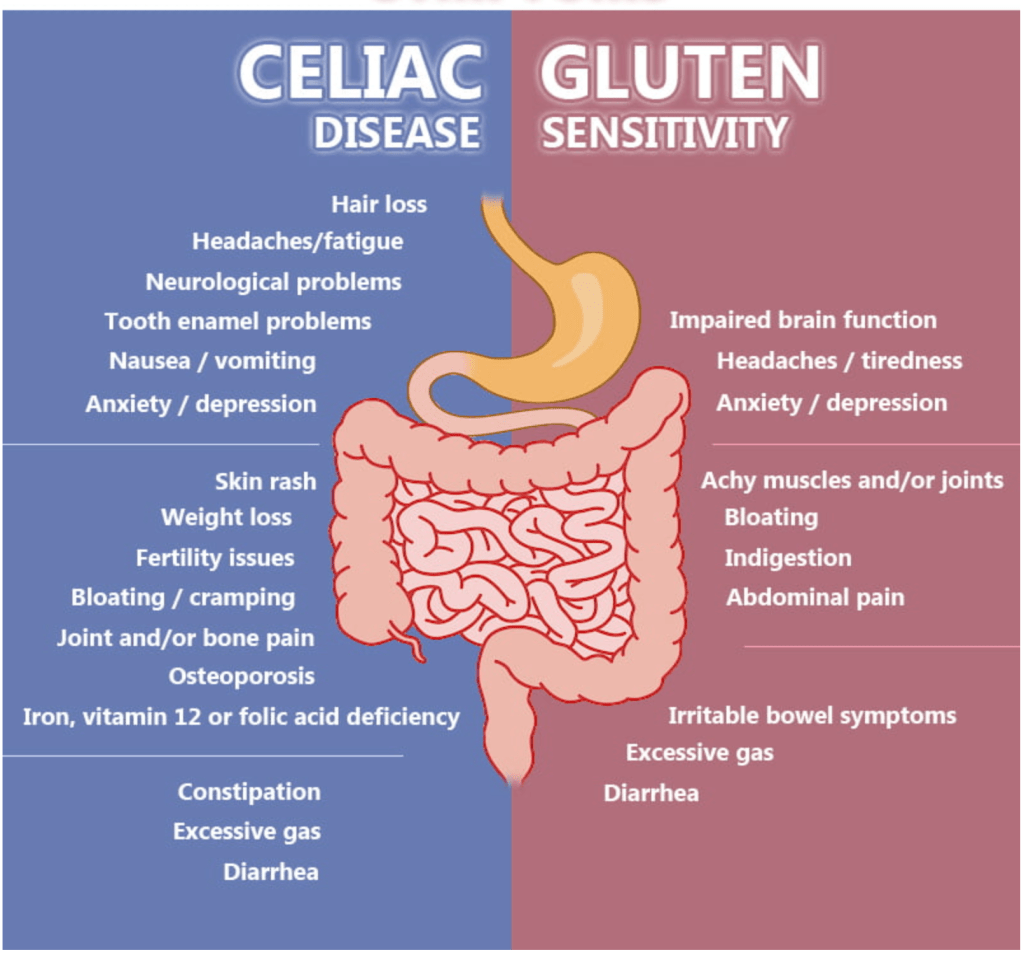
Celiac disease is an autoimmune disorder where the immune system attacks the lining of the intestine in response to a certain type of gluten found in wheat (particularly gliadin, a component of gluten). Symptoms include chronic diarrhea, abdominal pain, loss of appetite, and bloating. Due to the impaired absorption of nutrients, sufferers may also experience fatigue and malnutrition. Twenty years ago, celiac disease was rare, affecting about 1 in 2,500 people worldwide, but now it affects 1 in 130 people, a dramatic increase. In Japan, the prevalence is still relatively low at 0.5%, but the number of patients is rising.
Preceding celiac disease are conditions like gluten intolerance, which causes digestive issues when consuming gluten, and irritable bowel syndrome (IBS), which can stem from stress and neurological factors. Often, those diagnosed with these conditions are later found to have celiac disease.
Diabetes

Refined wheat products, such as white bread, can spike blood sugar levels more quickly than sugar. The Glycemic Index (GI) measures how carbohydrates raise blood sugar levels after eating, with glucose having a reference value of 100. White bread has a GI of 70-80, higher than sugar’s 60-70. Rapid spikes in blood sugar levels require large amounts of insulin to transport glucose into cells, putting significant strain on the pancreas. Over time, this strain can lead to a decrease in insulin production, causing sugar to accumulate in the blood, which is a primary cause of diabetes.
Moreover, gluten appears to play a harmful role here as well. Gluten is broken down into polypeptides by pepsin and hydrochloric acid in the stomach. These polypeptides have the rare ability to pass through the blood-brain barrier, which usually prevents unnecessary or harmful substances from entering the brain. The peptides from gluten can bind to morphine receptors in the brain, producing a morphine-like effect, potentially causing an addiction-like dependency on wheat products.
Neurological Disorders

American psychiatrist Dr. F. Curtis Dohan noticed that during World War II, when bread was scarce in Finland, Norway, Sweden, Canada, and the United States, the number of hospitalized schizophrenia patients decreased. After the war, when wheat consumption resumed, the number of hospitalizations increased. Dr. Dohan began investigating the link between wheat and schizophrenia.
He observed a similar pattern among the hunter-gatherer cultures of New Guinea. Before the introduction of Western dietary habits, schizophrenia was virtually unknown, with only two diagnosed cases among 65,000 residents. After Western dietary habits, including wheat products, beer made from barley, and corn, were introduced, the incidence of schizophrenia increased 65-fold.
Dr. Kristen Gioodrow discovered that the polypeptides produced from gluten could cross the blood-brain barrier and produce morphine-like effects, which she named “gluteomorphins.” She suggested that these gluteomorphins might be contributing to many cases of ADHD and autism.
These three conditions illustrate the significant health issues associated with gluten. The gut plays a crucial role in nutrient absorption and is closely linked to the brain, so it is easy to imagine how gluten, which disrupts gut function, could cause various health problems.
Personally, I love baguettes, croissants, pastries in general, and find it mentally challenging to eliminate them completely from my diet. However, having experienced irritable bowel syndrome in the past, I do make an effort to avoid wheat products whenever I start experiencing any gastrointestinal symptoms.
This concludes this series of wheat. Considering this information, it is up to you to decide how you want to manage your wheat consumption moving forward.
Subscribe to “Live Your Best”, your go-to source for comprehensive information to guide you on the path to a healthier life. Drawing from my expertise as a certified Health Coach and insights from practices such as Shiatsu, Taichi-Chen, and Daoism, I will share my discoveries for health and longevity in unconventional ways.
Note: Please be aware this blog system default language is set to Japanese, the notification email you will receive may be Japanese BUT the contents are all in English.
 LIVE YOUR BEST
wow!! 105健康 de 最高!! ついにYouTube チャンネル!!
いいねいいね
よろしくお引き立ての程😀
いいねいいね